Heavy-Duty Truck Fuel Economy
Advanced science. Applied technology.

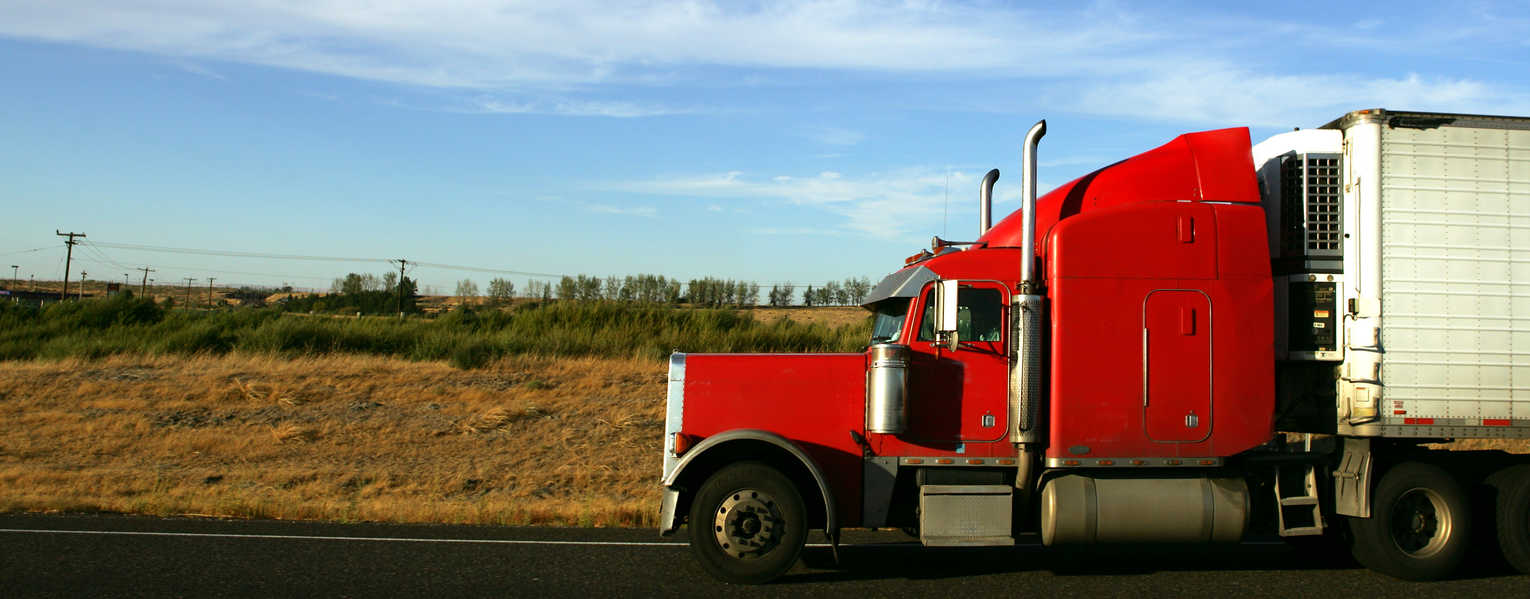
We have evaluated truck fuel economy since 1973. Year-round testing is conducted on public roadways and a 9-mile closed test track. We lease tractors and trailers unless the client furnishes the test vehicles. Leasing agencies will typically have trucks available that are powered by Cummins, Detroit Diesel, Navistar, Volvo, Mack, and other popular engines. Fuel consumption is measured by simulating a long-haul route (or other appropriate driving cycle), utilizing weigh tanks for fuel consumption measurement.
SwRI successfully conducted the U.S. Environmental Protection Agency (EPA) SmartWay program in support of the SmartWay Transport Partnership with the goal of reducing emissions and improving fuel economy in the transportation sector. We measured fuel economy and NOx emissions on two different class 8 truck and engine configurations using the SAE J1321 protocol. A total of 38 J1321 test segments were conducted. The tests were conducted with four drive cycles, which were defined by the EPA and simulated on an oval test tracks. This program established the basis for development of the Interim test method for verifying fuel-saving components for SmartWay. The SmartWay program evaluated fuel economy benefits of single wide and low rolling resistance tires, trailer aerodynamic components including gap reduction fairings, skirts and boattail features on two types of heavy-duty diesel engines in two different class 8 line-haul trucks.
Mobile DEVCon
We have conducted coastdown testing for the EPA and commercial clients using the method defined in the US Code of Federal Regulations (CFR) §1066.310, entitled “Coastdown procedures for vehicles above 14,000 pounds GVWR.” This test protocol is valid for calculating road-load coefficients for chassis dynamometer testing and aerodynamic input (coefficient of drag) for the greenhouse gas emissions model (GEM). The EPA worked with SwRI to develop the latest coastdown procedure for the Phase 2 greenhouse gas Regulations for heavy duty tractors and trailers.
SAE recommended practice J1321 specifically addresses the needs and operating conditions of long-haul truck fleets. SAE J1376 is the appropriate procedure for testing and evaluating fuel consumption during operating cycles representative of bus, pickup and delivery, and refuse operations. To compare one vehicle to another, the use of SAE J1526 is the preferred method.
For questions about this testing, please contact Jim McCord at +1 210 522 3439.